By A.J. Kaufman, Managing Editor
Back on June 17, Ballad Health Chairman and CEO Alan Levine claimed on social media that the One Big Beautiful Bill Act — which narrowly passed Congress the afternoon before Independence Day — will have “devastating” impacts on healthcare in the region.
Levine focused on one portion of the bill revealing that the bill contained measures to make it more difficult for states to pass Medicaid costs onto the federal government.
“The US Senate bill, if passed with the current provisions impacting State Directed Payments in Medicaid/provider taxes, will ultimately cost [Ballad Health] more than $200 million annually,” Levine posted on X, formerly Twitter. “This is devastating to our region, will lead to major job losses and will irreparably harm access to health care for our region.”
According to Ballad’s CEO since 2018, hospitals will be impacted and closed, services will be reduced, and fewer doctors will be available in rural areas, with thousands of lost jobs.
“Those who advocate for these policy changes live in nice, wealthy places where they don’t have to care about taking care of Americans who have no options for health care,” Levine continued. “But those of us who do care about rural Americans will continue to advocate for our communities and we have confidence our Senators will have our backs.”
Just hours before the bill’s July 3 passage, Levine published a lengthy editorial — titled “Medicaid Cuts Could Undermine Access To Rural And Safety Net Health Care” — in the Tennessean. In one section entitled, “Congress should punish greedy insurance companies, not rural communities,” he noted that billions of dollars intended for patient care are being diverted.
“That’s the real inefficiency in federal health spending — not the state-led Medicaid financing mechanisms designed to patch federal holes,” he wrote. “Many of the states criticized for their Medicaid financing strategies are led by conservative governors and legislatures that understand the stakes. Given that federalist conservatives believed states are the laboratories for real reforms — something I still believe in — we should encourage responsible and creative governors to take the lead in those reforms.”
He concluded that “policies that shift taxpayer dollars to insurers as an incentive for denying care, or that shifts taxpayer dollars to the wealthiest communities, while access to care in rural America is eliminated, should be a focus of future debate.”
On July 2, Levine added that construction on Unicoi County Hospital — destroyed by Hurricane Helene — is now in jeopardy, and legislation affects Ballad’s entire network of rural hospitals.
“We certainly don’t want to mislead anybody,” Levine said. “…it will lead to closures, and it will lead to the loss of services in some of these communities. There’s no question about it.”
State Rep. Renea Jones of Unicoi says the bill will hurt her county in particular, as they lost their only hospital.
“I’m still a little bit concerned because of the language that will impact Medicaid, which I feel will have a huge negative impact on our local hospitals nationwide,” Jones said over the July 4 holiday. “We are number one in unemployment in the state at this point. We’ve lost our industrial park. The hospital is not only a place where our residents can get health care, but it’s also an economic driver for our community.”
According to the Congressional Budget Office (CBO), anywhere from 10-13 million Americans would become uninsured within the next decade.
But other regional legislators disagreed.
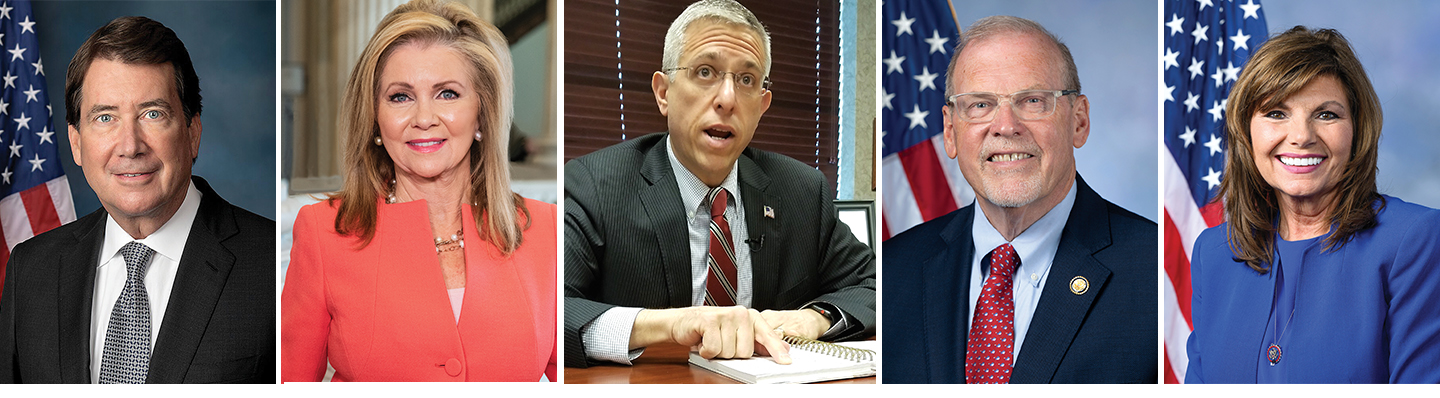
Tennessee U.S. Rep. Diana Harshbarger voted yes on the measure, arguing in part that, “The One Big Beautiful Bill is about ensuring taxpayer dollars are used wisely, those who genuinely need help receive it, and our communities are safer, stronger, and more secure. This bill enhances Medicaid for the truly vulnerable, strengthens our border, cuts wasteful spending, and invests in the future of American families.”
Tennessee U.S. Sen. Bill Hagerty commented in June on the negotiations to come, noting in part, “We need this done for the sake of the markets. We need this done for the sake of certainty. We need to see more capital investment commitments take place. That will beget more jobs, more economic activity…”
Tennessee’s other senator, Marsha Blackburn, explained that the “creation of the ‘Rural Health Transformation Fund’ would provide $50 billion to strengthen rural hospitals through enhanced recruitment and training of doctors, investment in innovative technologies that improve patient outcomes, and improved access to hospitals.”
Indeed, the program appropriates $10 billion per fiscal year from 2026-2030, but it’s questionable if this deficit math adds up when the bill makes it more difficult for states to close payment shortfalls. Tax policy analysts say this will come up short to filling the $1 trillion budget gap in Medicaid spending.
Blackburn also penned a mid-July editorial claiming Tennessee households will save an average of $2,600 in taxes next year and see an average annual take-home pay increase of over $10,000. She said, “the legislation strengthens Medicaid by eliminating waste, fraud and abuse in a program that saw more than $1 trillion in improper payments over the past decade.”
Virginia U.S. Rep Morgan Griffith offered a more nuanced view, telling local media after the bill’s passage that “the positives of the bill clearly outweigh the negatives.”
“A tax structure that encourages continued growth in the economy is extremely important,” Griffith’s statement noted in part. “The unleashing of American energy potential contained in this bill is significant and will lead to increases in production. On Medicaid, we strengthened the program for the traditional Medicaid population. That population includes pregnant women, the disabled, the elderly, and the young.”
He said that criticisms from Democrats saying SNAP cuts will hurt poor communities — including his large Southwest Virginia district — are overblown. Griffith did reiterate in June that the Medicaid-related proposal’s cuts were concerning to him. Almost 25% of Ninth District residents are Medicaid recipients.
When it comes to economic growth, though, he sounded bullish about the Appalachian Highlands. The eight-term congressman said growing demand for affordable electricity as artificial intelligence work accelerates could play into the hands of an area where economic decline traces back to the coal
and tobacco industries’ decline.
“When you look at the amount of money that coal mining jobs pay, when you look at what data centers can pay, when you look at what they generate economically…every facility we can get brings in a boatload of cash,” Griffith said.
While the Ninth District is not competitive — Griffith won by 45 points last fall — many House Republicans from competitive districts bristled at the cuts to Medicaid, while other conservatives said the legislation as straying from their fiscal goals. The CBO projects that it will add over $3 trillion in federal deficits over the coming decade.
Most of the bill’s Medicaid cuts, however, are delayed until after next year’s midterm elections, and some do not begin until 2028. Some cuts may be undone in future legislation, and some will be backfilled by state governments.
Approximately 60 million people in the U.S. rely on rural hospitals and health care facilities, according to the Bipartisan Policy Center, representing 20% of the population.