By Dirk Moore, Contributing Writer
Cattle farmers Sarah and Aaron Scyphers have long believed in the value of life on the cattle farm. They, along with Aaron’s parents, manage approximately 120 cows on 300 acres of land in Washington County, Va., a life they find rewarding, but rarely in the financial way that they have lately been experiencing.
Thanks to sustained increases in beef prices, the Scyphers have enjoyed the opportunity to put money aside or to reinvest it in their operation in a way that will buffer their business against an inevitable market downturn.
“We are seeing our hard work rewarded,” Sarah explained to the Business Journal. “It’s been a very nice change.”
The higher prices are being driven by a number of factors: higher demand, a decline in the overall size of beef herds nationally, and a screw worm infestation in Mexican cattle herds that has not yet reached the United States.
“You’re talking about prices that no one has ever seen before,” said Phil Blevins, agricultural extension agent for Washington County.
Wholesale prices for beef vary depending on the grade and type of meat. Loin strips, for example, have hovered around $10 per pound. Before now the highest reported wholesale cash price for fed cattle was around $180 per hundredweight, which was reported April 2023. During the summer of this year, prices surged to a new record of $225 per hundredweight.
While the price surge has a downside for consumers, who have faced higher retail prices at the meat counter, the good news for cattle farmers may translate into a stronger economy in the Tri-Cities region, which depends heavily on the beef industry.
Regional agriculture experts estimate that, depending on the duration of the price surge, Southwest Virginia and Northeast Tennessee could enjoy an economic impact in the hundreds of millions of dollars.
In Washington County alone, beef farming contributes approximately $120 million annually to the economy, and that impact is felt before those earnings are spent by beef producers on everything from agriculture and household needs to feed and farm equipment.
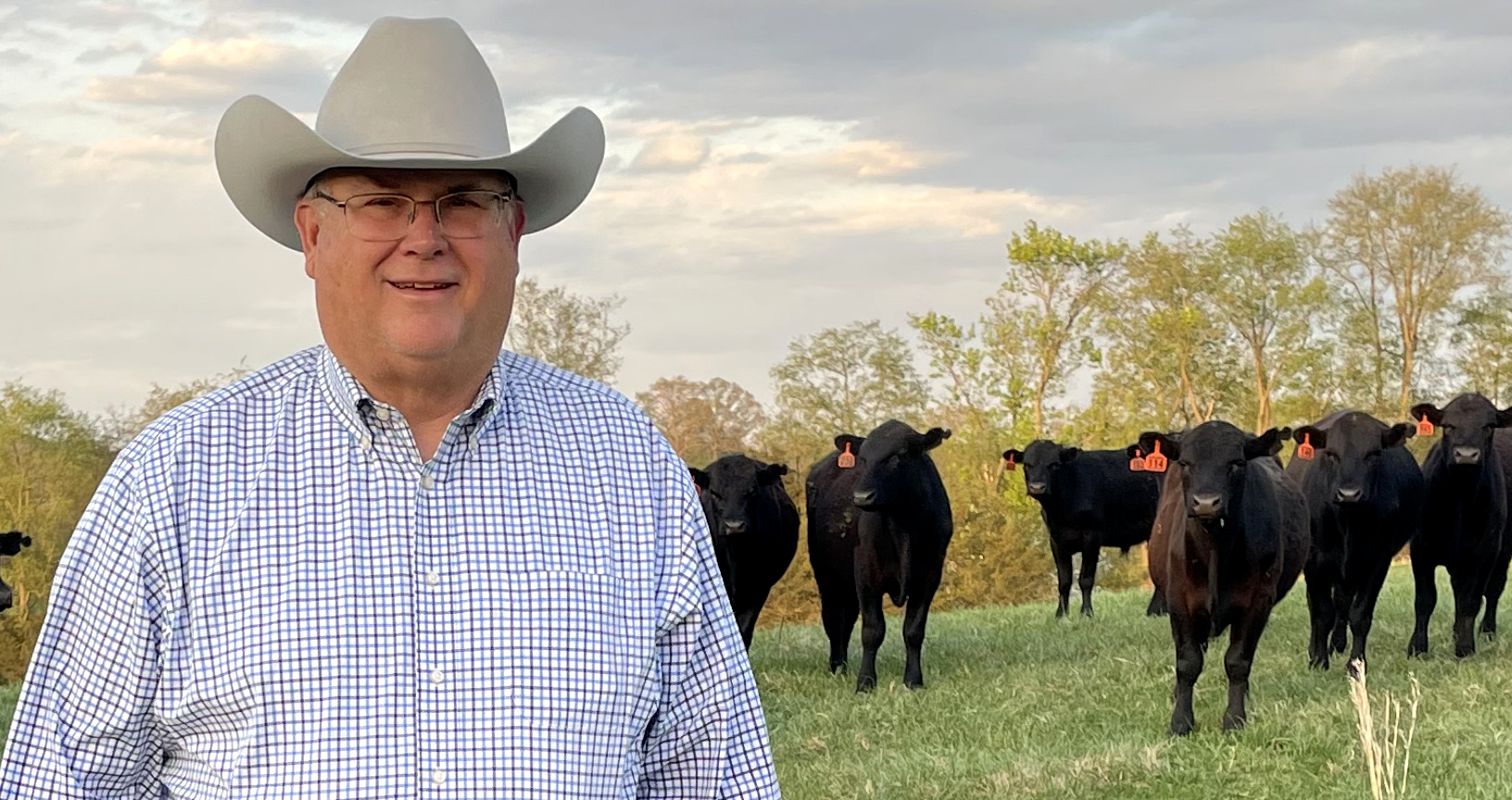
According to Gene Copenhaver, a Washington County beef farmer and president-elect of the National Cattleman’s Beef Association, the money derived from beef sales in this region will have a significant ripple effect.
“This is money that will be spent locally and will be good for all of our local businesses,” he told the Business Journal.
Although the size of cattle herds has been shrinking, beef farmers have been able to maintain yields – and thus profits – by adjusting their methods for cattle grazing. In Central Appalachia, those higher per- animal yields are enhanced by the quality of grass lands in the region.
“We have some of the best grazing in the world here,” Copenhaver said, “so our cost of gain is a lot cheaper.” International tariff discussions remain an unknown for predicting the duration of the beef price boom.
However, according to Blevins, negotiations in the international beef trade have demonstrated that a loss of market in one region of the world may be made up for by increased demand from other countries.
Beef purchases from China, for example, have been down. But demand from other countries, such as Japan and South Korea, has not yet been affected by tariffs.
“Tariffs have the potential to have an impact, but, for now, domestic demand is high, and the supply is short, so it’s hard to see these prices falling any time soon,” Blevins said.
According to Copenhaver, the good news now for beef farming in the Tri-Cities will translate into a stronger regional beef industry for the future. Farmers have begun to upgrade their equipment and shore up their finances. At the same time, he said, younger farmers are demonstrating ingenuity that is helping to modernize the industry and maintain its viability.
“I’m enthused about the future of the industry, not only here but throughout the country based on some of the young people we have coming along,” he explained. “They’re smart and they have a great work ethic.”
Sarah Scyphers is relieved to regain a sense of security in a profession that is often hard-scrabble and unpredictable. She encourages other cattle farmers to invest now in repairs and new equipment and, in some cases, to consider purchasing risk protection insurance as a hedge against declining market prices.
“Now is a great time for that,” Scyphers said. “A lot of beef farmers are making these kinds of strategic management decisions right now, because people who have been at this work for a long time know that the good times will not always last.”